Add 2 more items to unlock your free mystery gift.
Complimentary item.
Total
Recommended add-on
Home/Premium vs. Value: Are Native Union's $48 Cables Actually Better Than INIU's $16 and Baseus's $16 Options?
Premium vs. Value: Are Native Union's $48 Cables Actually Better Than INIU's $16 and Baseus's $16 Options?
There are two ways to buy a USB-C cable in 2026. You can spend $15 to $20 on a braided fast-charging workhorse from a brand like INIU or Baseus, or you can spend nearly $50 on a Native Union Belt Cable that looks like it belongs on a designer's desk. The premium-versus-value question gets asked constantly in charging gear, and nowhere is the gap more visible than in cables — the least glamorous, most-replaced accessory you own.
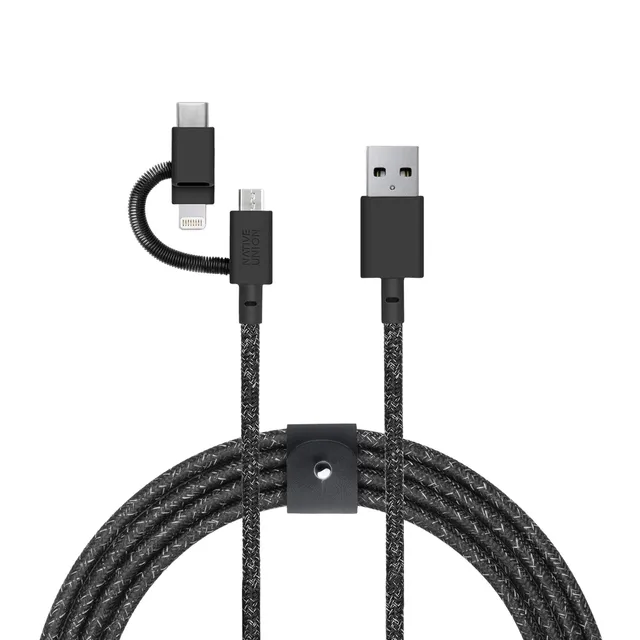
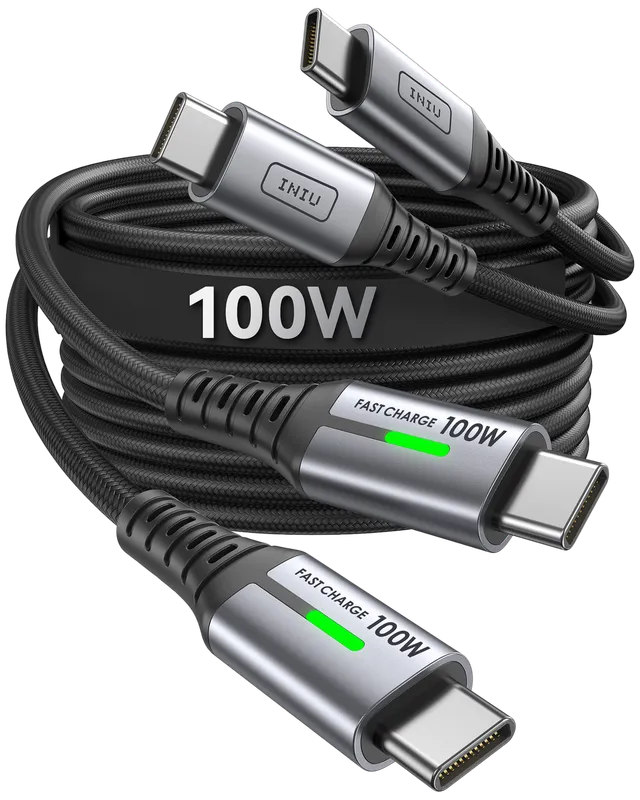
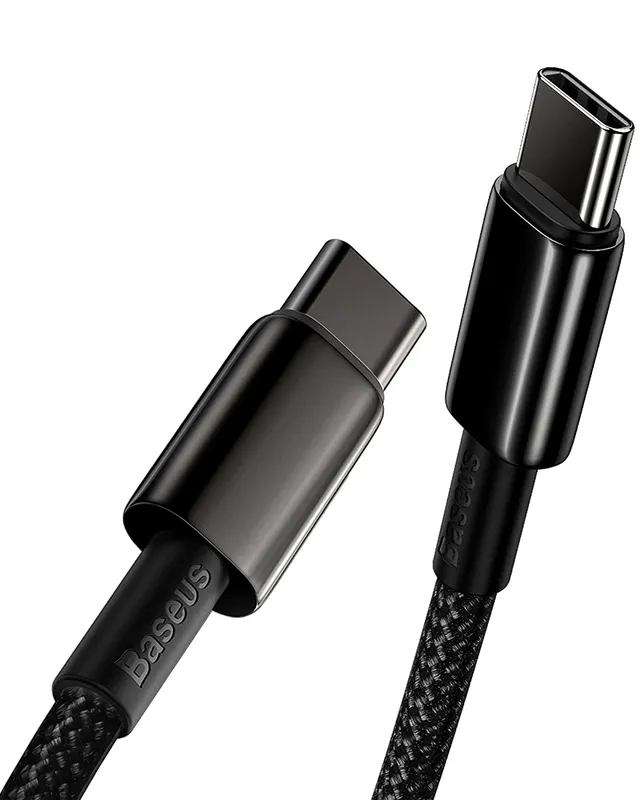
We compared three of the most popular options at each end of the spectrum: the Native Union Type-C Belt Cable 4ft and the Belt Cable Universal 6.5ft on the premium side, against the INIU D5CC 100W 2-pack and the Baseus 100W zinc-alloy braided cable on the value side. Here's what actually separates them — and where the extra money is (and isn't) worth it.
Start with the spec that matters most. All three USB-C-to-USB-C options support up to 100W Power Delivery, which covers every current MacBook, iPad Pro, iPhone 16/17, and Samsung Galaxy S-series phone. In real-world testing terms, a 100W-rated cable will not throttle a 96W MacBook charger or slow a Samsung 45W super fast charge any more than the others will.
The practical difference shows up in one place: the INIU D5CC comes as a 2-pack for $19.19, so you can keep one at your desk and one in your bag for under $10 per cable. The Baseus sits at $15.59 for a single 5A-rated cord with zinc-alloy connectors that resist heat and wear. The Native Union Type-C Belt Cable tops out at 60W — plenty for phones, tablets, and even smaller laptops — but it's not the pick if you run a 16-inch MacBook Pro at full tilt every day.
Durability: where the premium price starts earning itself
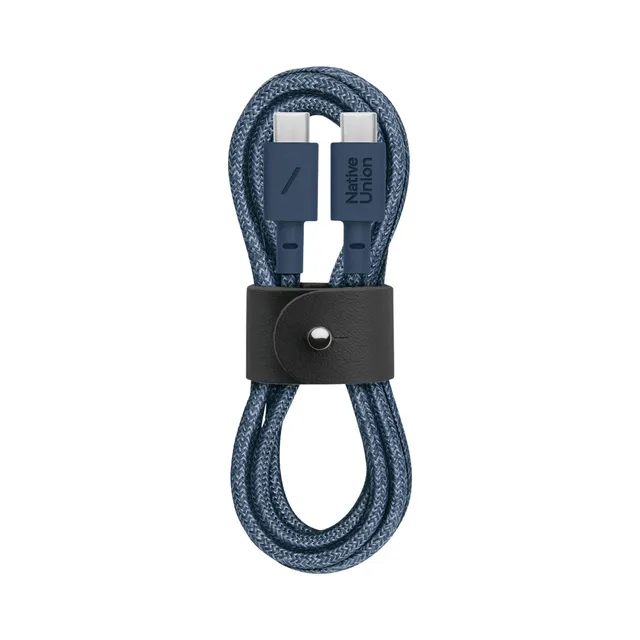
This is the honest dividing line. The Native Union Belt Cable is Kevlar-reinforced, with a leather strap and a braided exterior that's built to survive thousands of bends at the connector — historically the exact spot where cheap cables fail. Native Union backs it with a warranty program and a design philosophy built around products meant to last years, not months.
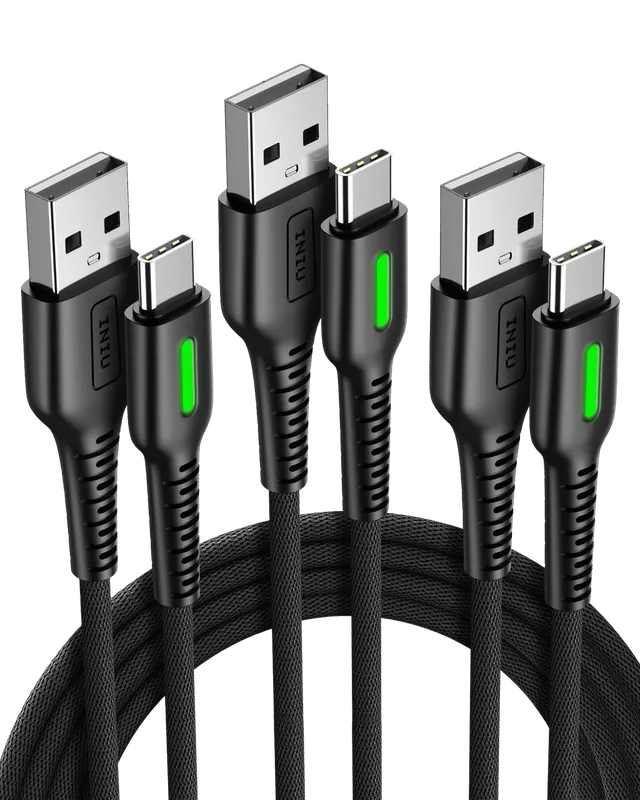
That said, don't write off the value side. The Baseus's nylon-braided jacket and zinc-alloy housings are genuinely robust for the price, and it carries a 4.6-star rating across more than 14,700 reviews — a track record no flimsy cable could earn. INIU's D5CC holds a 4.8 rating from over 4,300 buyers, and its "anti-rupture" sibling, the D3C 3-pack, exists precisely because INIU engineers its strain reliefs hard. These are not dollar-store cables.
Design and everyday carrying: Native Union's real moat
If you've ever fished a rat's nest of cords out of a backpack, you know why the Belt Cable's leather strap exists. It rolls up neatly, ties off cleanly, and looks intentional next to a MacBook and a linen jacket. Native Union treats cables as design objects — the (Re)Classic materials, restrained colorways, and the overall desk-setup aesthetic are the product as much as the copper inside.
The Belt Cable Universal 6.5ft goes further: it's MFi certified and includes a 3-in-1 adaptor for Lightning, USB-C, and Micro-USB, so one cable covers older iPhones, a Kindle, and a friend's Android. That's a legitimate travel argument, and it's a reason the premium tier isn't purely about looks. It also handles data and CarPlay reliably, which matters for in-car charging. If your priority is a cable that doubles as a charging backbone for mixed devices, that's where Native Union's versatility wins.
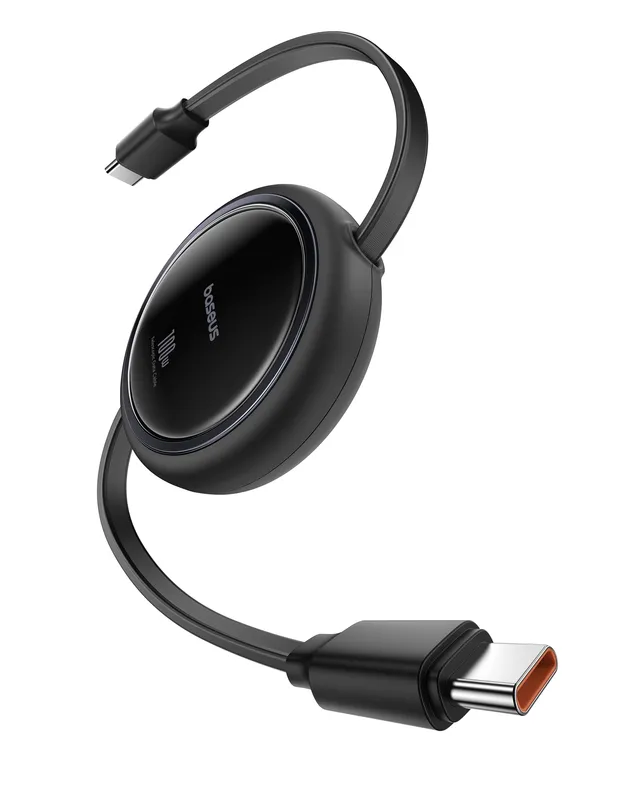
The Baseus counterpunch is its retractable 100W cable — a completely different solution to the tangle problem. Four length presets from short to full extension, and the cord disappears into the housing when you're done. It's $15.59, works at full 5A speed, and solves the "cable in my bag" problem with engineering instead of leather.
Warranty and peace of mind
Native Union's warranty and product registration program is a genuine part of the premium proposition — register your Belt Cable and you're covered for years of daily use. INIU has built its reputation on safety engineering (its TempGuard battery management is central to the brand), and Baseus offers standard manufacturer coverage across its catalog. None of the three leaves you stranded, but Native Union's aftercare is the most polished of the bunch.
So which should you buy?
Buy the Native Union Type-C Belt Cable ($23.99–$47.99) if: you care how your setup looks, you carry a cable daily, you need mixed-device compatibility (the Universal version), or you want one cable that outlives two or three cheap replacements. You're paying for materials, MFi certification, design, and warranty — and you'll feel the difference every time you reach for it.
Buy the INIU D5CC 2-pack ($19.19) if: you need multiple cables for desk, bag, and bedroom and want maximum wattage per dollar. Two 100W-rated, 6.6ft cables for $19.19 is simply unbeatable value, and the 4.8-star rating says they hold up.
Buy the Baseus 100W braided cable ($15.59) if: you want one tough, full-speed cord with premium-feeling zinc-alloy connectors at a bargain price — or grab the retractable version if tangles are your specific enemy.
Our verdict: the value cables have closed the performance gap completely. What remains is durability margin, design, and aftercare — and whether that's worth a $28 premium depends entirely on how many cables you've thrown away in the last two years. If the answer is "more than two," the premium cable has already paid for itself.